
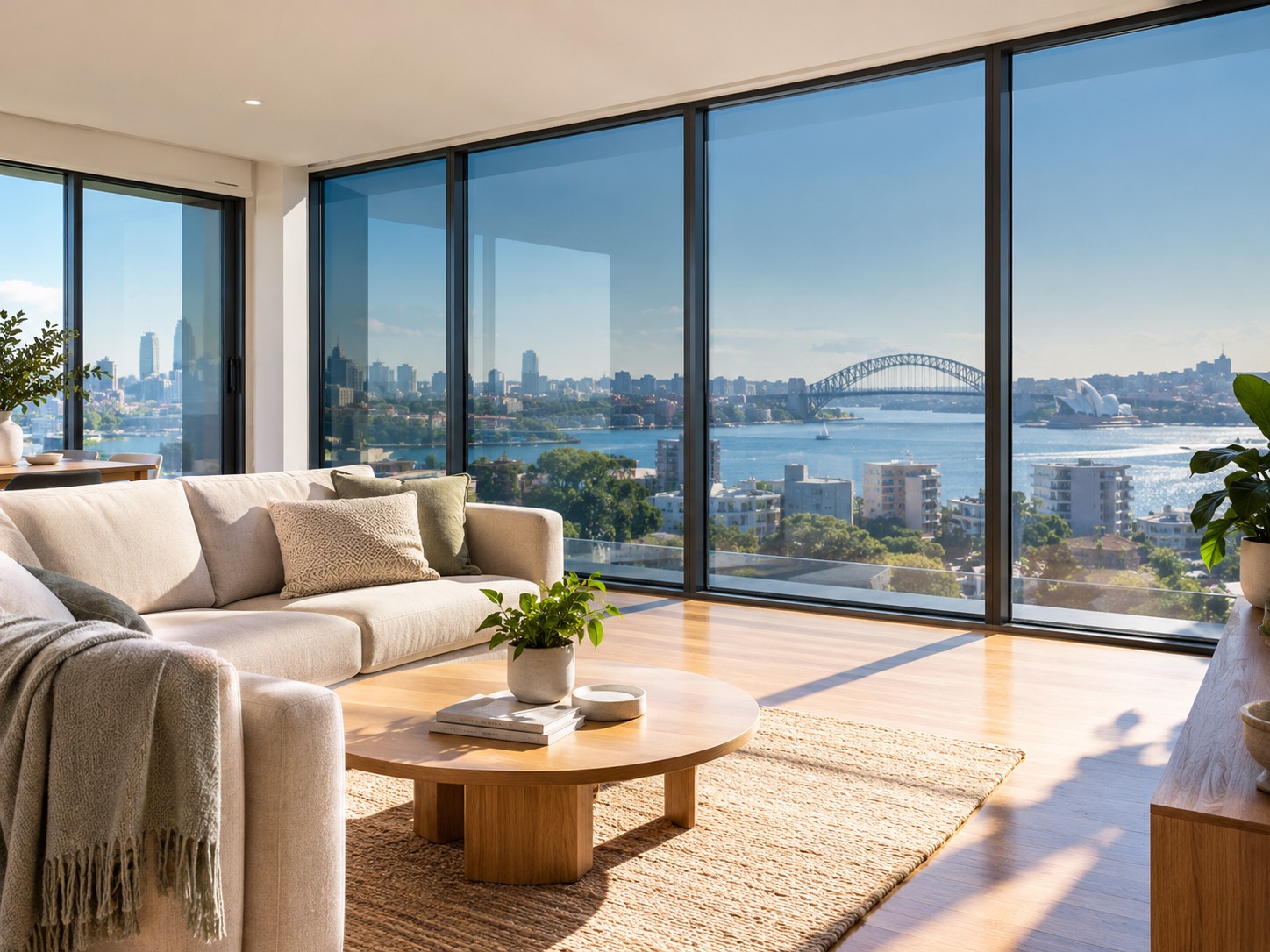
Yes, quality home window film can meaningfully cut cooling costs by reducing solar heat gain through glass, often by a significant margin on north and west-facing windows. It won’t replace insulation or a well-sized air conditioner, but for most Sydney homes with large or poorly shaded glass, it’s one of the more cost-effective efficiency upgrades available.
If you’ve ever sat in a living room at 4pm in February wondering why the air con is working overtime despite being on full blast, glass is usually the reason. Windows are the weakest point in most homes for heat control, and tinting is one of the few upgrades that directly targets that weak point without a renovation.
Let’s look at how it actually works, and where the savings genuinely come from.
Why Untreated Glass Is Such a Problem in Summer
Glass is basically a greenhouse in miniature. Sunlight passes through, hits your floor, furniture, and walls, converts to heat, and then struggles to escape back out through the glass. That trapped heat is what your air conditioning is constantly fighting against.
North and west-facing windows cop the worst of it in Sydney, especially through the hottest part of the afternoon. A single large window without tint or decent shading can genuinely dominate how hard a room’s air conditioning has to work.
How Window Film Actually Reduces Heat
Quality residential film works by reflecting and absorbing a large portion of solar energy before it ever gets through the glass, rather than just darkening the room for comfort.
- Reduces solar heat gain through treated windows, often substantially on direct-sun glass
- Blocks a large majority of UV rays, which also protects furniture, flooring, and artwork from fading
- Keeps rooms more stable in temperature throughout the day, rather than swinging hot in the afternoon
On our home window tinting page, we note that our residential films reduce solar heat by up to 80% and block 99% of harmful UV rays, figures based on the specific film grades we install.
Where the Actual Energy Savings Come From
The saving isn’t magic, it’s simply your air conditioner working less.
- Less solar heat entering means your AC cycles less often and for shorter periods
- Rooms stay closer to set temperature with less compressor strain
- Reduced glare also means less reliance on blinds fully closed all day, which otherwise blocks natural light entirely
The size of the saving depends heavily on your home’s orientation, how much glass you have, and how exposed those windows are. A north-facing living room wall of glass in Alexandria or Erskineville will see a bigger practical benefit than a small, shaded bathroom window.
Does It Work in Winter Too?
This is a fair question, since blocking heat sounds like it might work against you in winter.
Most modern solar control films are designed to reduce heat gain in summer without significantly affecting winter heat retention, since the films primarily target the solar radiation spectrum rather than general insulation. For homes wanting year-round performance, it’s worth discussing film type specifically during your consultation, since not all films behave identically.
What About Natural Light?
A common worry. Quality film is designed to cut heat and UV without making a room feel dark or closed in. Different film grades offer different light transmission levels, so this is genuinely something to choose rather than something you’re stuck with. We cover this exact concern in more detail on the home window tinting page, including options that prioritise keeping rooms bright.
Is It Worth It Compared to Other Upgrades?
Window film is genuinely one of the lower-cost, lower-disruption options available for heat reduction.
- No structural changes, no trades beyond the install itself
- Installed in hours, not days, with minimal disruption to the home
- A fraction of the cost of double glazing, with meaningful heat reduction on the same glass
- Lasts for many years once properly installed, rather than needing repeat spending
It’s not a replacement for proper insulation in an older home, but as a standalone upgrade targeting the single weakest point in most houses, the glass, it’s hard to beat on cost versus benefit. The same heat and UV logic applies to vehicles too. If you’re protecting your home, worth checking whether your car window tinting could use an upgrade at the same time.
Is This Relevant Across the Inner South, Not Just Alexandria?
Very much so. Homes around Waterloo, Zetland, Rosebery, Erskineville, and Mascot tend to share the same issue: a lot of west or north-facing glass in apartments and terraces that heat up fast through summer afternoons. The same principles apply whether it’s a freestanding house or an apartment with floor-to-ceiling glass, the goal is simply reducing how much solar heat gets through in the first place. The same logic applies at a larger scale for businesses too. If you’re weighing this up for an office rather than a home, Commercial Window Tint Sydney: Reduce Office Cooling Costs with Energy Saving Window Film covers the same principle applied to a workplace.
Frequently Asked Questions
How long does home window tint last?
With quality film and proper installation, most residential window tint lasts 10 to 15 years or more, according to the film grades we install.
Is home window tinting legal in NSW?
Yes. Unlike car window tint, residential tinting in NSW doesn’t carry the same darkness restrictions, and is commonly used specifically to reduce heat, glare, and UV exposure inside homes.
Will tinting make my rooms too dark?
Not necessarily. Film comes in a range of light transmission levels, so you can choose one that cuts heat and UV without significantly darkening the room. This is worth discussing directly during a consultation based on how each room is used.
Does tinting help with more than just energy bills?
Yes. Beyond cooling costs, it also reduces glare on screens, protects furniture and flooring from UV fading, and adds a layer of daytime privacy and added safety by helping hold glass together if a window is impacted.
Ready to take the next step? Here is what you should do next: book a consultation with Protected Studio to find out which film grade suits your home’s orientation and glass, and get a clear idea of the comfort and energy benefits for your specific rooms. Get a Free Quote